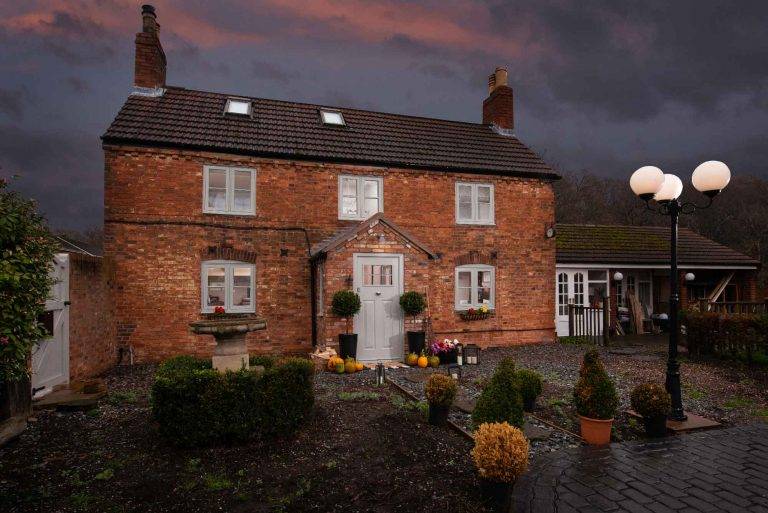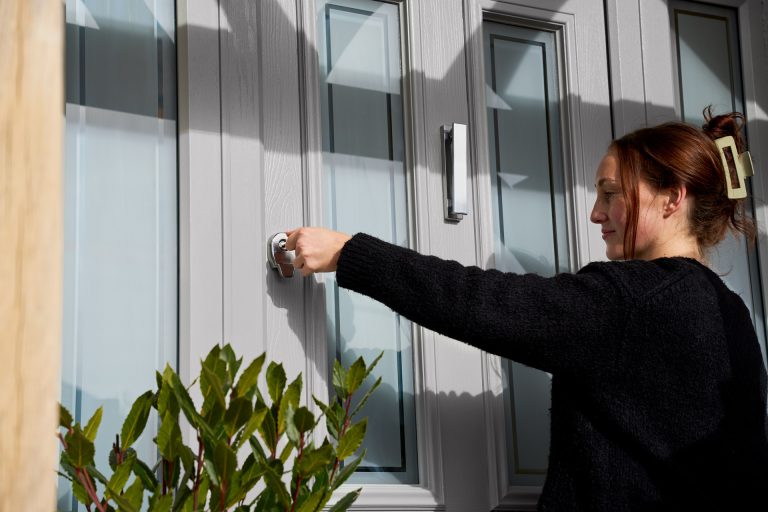
With the colder months approaching, you may start to notice small pools of moisture forming on the inside of your door. It’s a common issue in UK homes and occurs when warm indoor air meets a colder door surface. This is known as condensation.
While it may seem harmless, if left unchecked it could lead to aesthetic and structural issues. Don’t fear, stay with us and we’ll explain why this condensation occurs, why it matters and most importantly, what you can do about it.
What Causes Door Condensation?
Several factors can increase the likelihood of condensation. Poor ventilation is one issue, especially in rooms where more moisture is generated, such as kitchens, bathrooms, and utility rooms.
High indoor humidity can also contribute to condensation. Household activities like cooking, showering, drying clothes inside or even when there’s a higher number of people in a room – all of the above can play a part.
When a door surface is colder than the surrounding air, especially when the door isn’t insulated properly, has a weak thermal break or is generally older or lower performing, your home’s entrance can prove a breeding ground for condensation.
Why is Condensation a Problem?
The occasional showing of condensation isn’t disastrous, though it can become a real issue with damaging consequences if persistent.
For example, persistent moisture can encourage fungal growth around seals, frames or door jambs. Mould and mildew growth is not only unsightly but also poses a potential health concern.
Persistent condensation can even cause damage to your door, with the finishes and materials suffering. Repeated dampness can cause swelling and warping in inferior doors, making them an eyesore.
Even more damaging is when the aesthetic issues become structural problems. If condensation collects around the frame joints, thresholds or under the door skirting, this could weaken the joinery and reduce the door’s performance and weather protection.
How can I Prevent Condensation?
Don’t fret, there are some steps you can take to reduce the risk of condensation on your door. Start with improving your home’s ventilation. Keeping air moving freely around your home helps to reduce indoor moisture levels.
This can be achieved by utilising extractor fans in kitchens and bathrooms, and opening windows slightly when cooking or showering. Good air circulation means less chance for warm, humid air to settle on cold surfaces.
Maintaining balanced heating is also effective. You should avoid large temperature swings in your home between rooms and between the air and the door surface. If a room with your door in is much colder than the rest of your house, the door surface will be prone to condensation.
Most importantly, choosing the right front door. A door built for moisture resistance and that offers excellent thermal efficiency is important for any home.
Endurance Doors: The Best Doors for Moisture Resistance
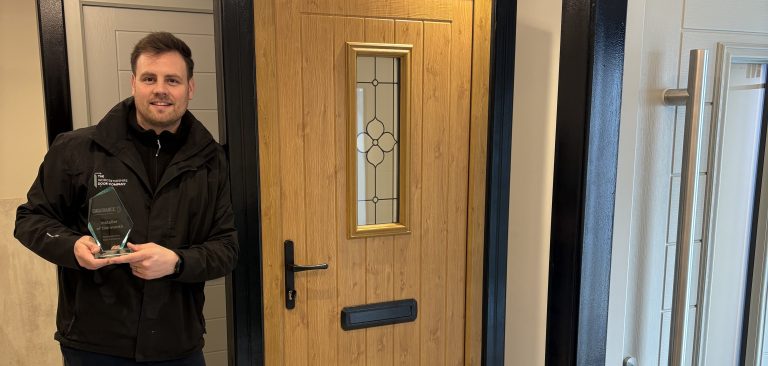
Choosing Endurance Doors is the safest bet when it comes to performance and resisting problems like condensation. Your new door will bring more than beauty; it will make your home cosier and protect the inside of your home from the bitter outside.
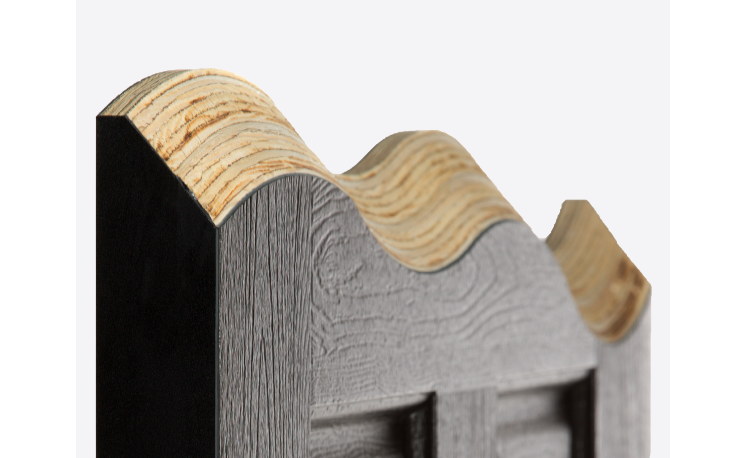
The make-up of an Endurance Door means that they’re engineered specifically to offer strength, stability and insulation. The 48mm solid laminated timber core plays a part in ensuring the superior performance you need from a door upgrade.
Each door is also finished with a heat-reflective skin, known as CoolSkin technology, which helps to prevent the door surface from becoming too cold or its colour finish from fading.
Each of our doors features robust locking systems and weather-seals that reduce drafts, prevent cold spots and help to maintain a consistent internal surface temperature. Our high-quality glazing also contributes to maintaining internal temperatures.