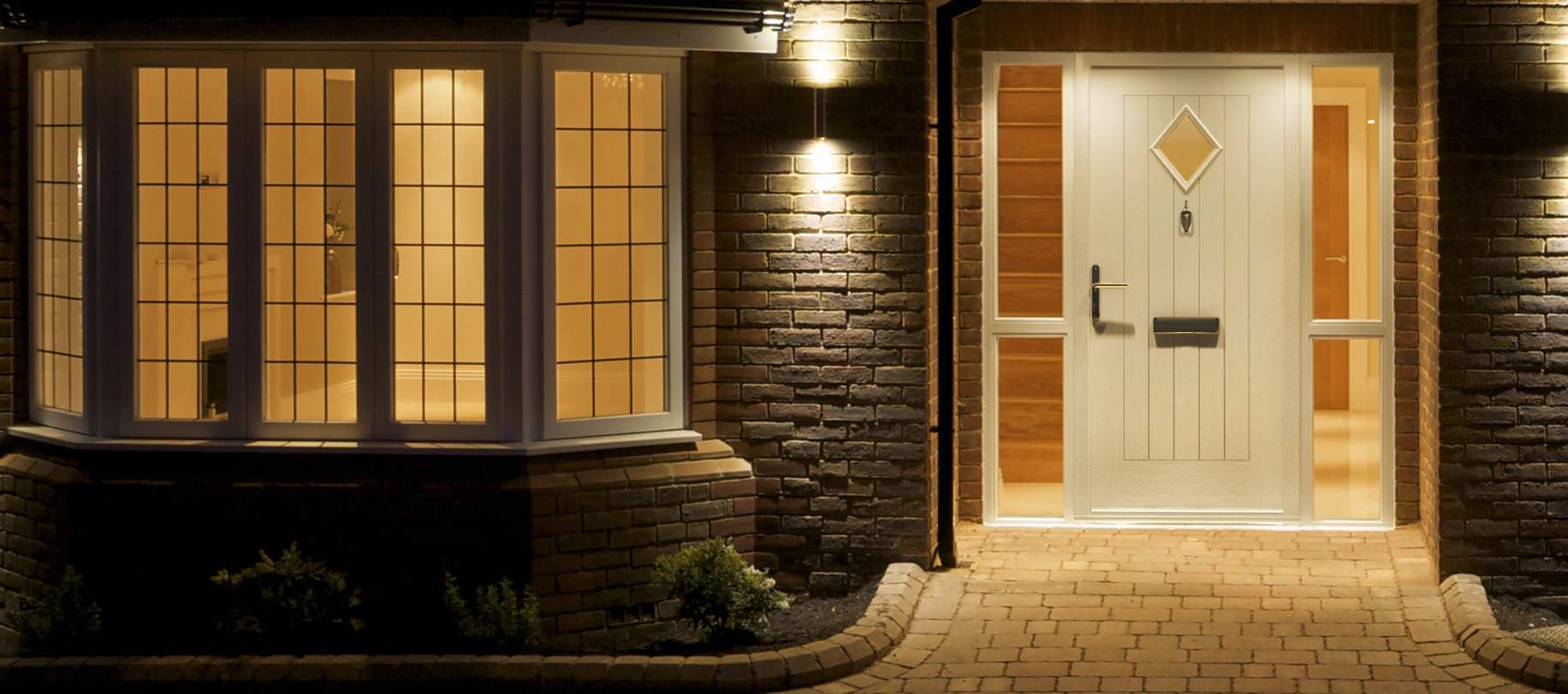
More than any other season, winter can place some heavy strain on your home’s exterior. Cold temperatures, high wind and heavy rain can all be particularly testing for your property in its bid to keep you warm, cosy and dry.
One of the most exposed elements of your home is the front door, which can prove a common weak point for heat loss and drafts when the bad weather picks up.
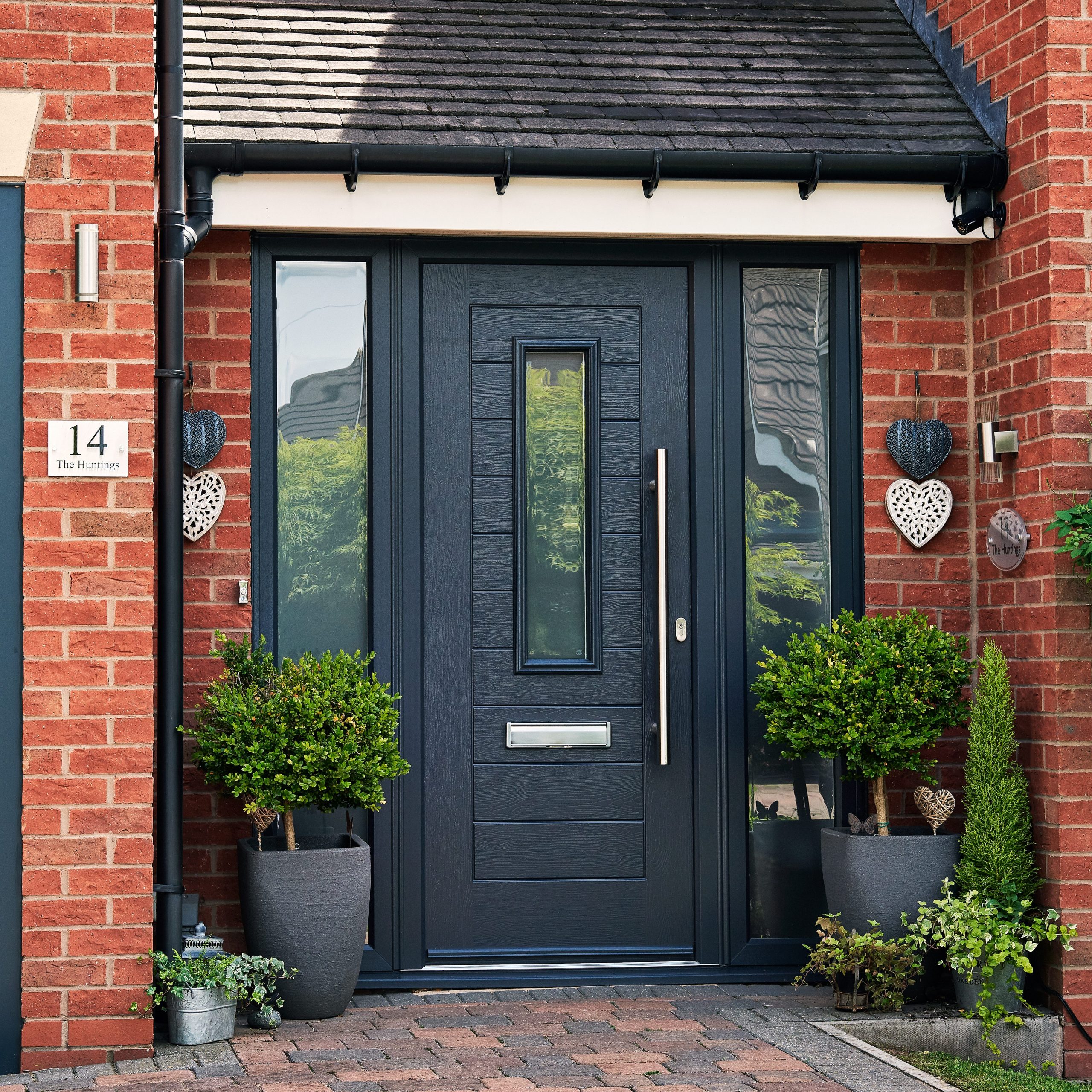
The Effects of Winter on Poorly Insulated Doors
As discussed, your home can experience increased draughts in poor conditions, which can lead to uncomfortable cold spots within. Heat can also escape through your front door if not properly insulated, which not only leads to a less comfortable home but can also become costly with your increased internal heating usage.
Condensation may build up on your doors’ glazing due to temperature differences between inside and outside. This could be worsened still, should your door suffer from warping or swelling, which is common in cheaper doors.
Key Weatherproofing Features of Composite Doors
Fortunately for you, composite doors are specially designed and manufactured to perform in even the most extreme weather conditions. There are various parts of an Endurance composite that are huge factors in its excellent performance in the tougher conditions.
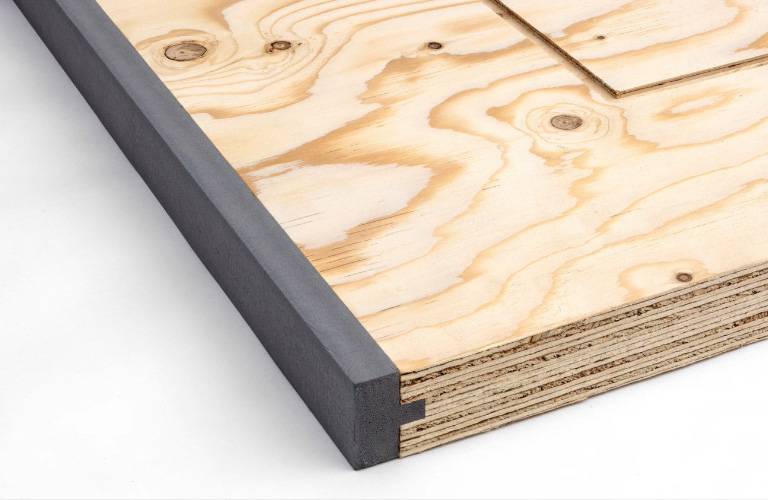
Their multi-layered construction is designed to resist temperature fluctuations. They’re crafted to achieve high thermal efficiency, which is key in helping to maintain a stable indoor temperature. Composite doors are also highly resistant to moisture absorption, especially in comparison to traditional timber doors.
Importance of Quality Seals, Frames, and Thresholds
A weatherproof door is the sum of all its parts. If one aspect of a door is weak, it will struggle to keep the warmth in your home and will eventually succumb to the bitter conditions outside.
Weatherproof seals prevent draughts and water ingress around the perimeter of the door. An expertly crafted door frame maintains consistent compression and alignment of your entrance. And lastly, a good threshold blocks heavy wind and rain and stops the cold from entering at floor level.
How uPVC Skins Perform in Harsh Winter Conditions
Our doors are manufactured with a uPVC skin, which offers superb moisture resistance. It won’t absorb water, which helps the door maintain its integrity through even the harshest rain and damp spells.
The door skin is also designed to deal with winter temperature fluctuations and helps reduce common issues like swelling or sticking.
Even better still, it makes our doors low-maintenance and long-lasting. It’s easy to wipe clean and won’t need frequent repainting like timber doors. Even with frequent use and constant exposure to the elements, it stays looking and performing its best for years to come.